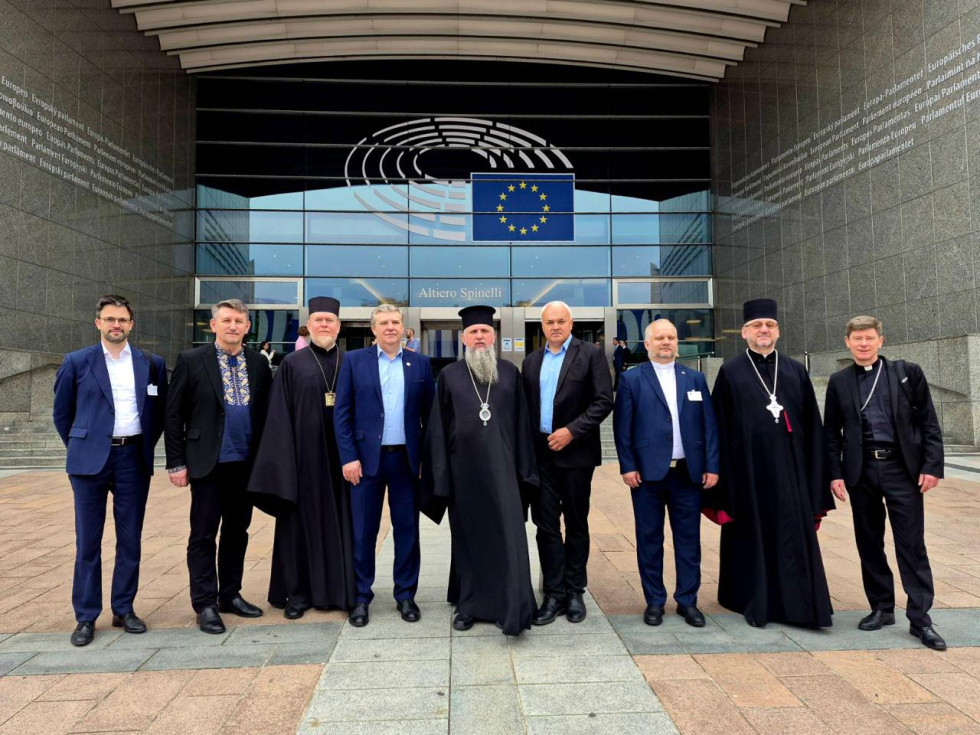
On June 24, 2026, a delegation of the Ukrainian Council of Churches and Religious Organizations (UCCRO) met in Brussels with Members of the European Parliament (MEPs), the European Commissioner for Enlargement, representatives of the European External Action Service, and religious leaders and experts from the Commission of the Bishops’ Conferences of the European Union (COMECE).
In the morning, the UCCRO delegation met at the European Parliament with MEPs Michael Gahler, Pekka Toveri (both from the European People’s Party Group), and Thijs Reuten (Group of the Progressive Alliance of Socialists and Democrats). During the meeting, the participants discussed the role of Ukrainian churches and religious organizations during the war, as well as the challenges facing religious communities in the post-war period.
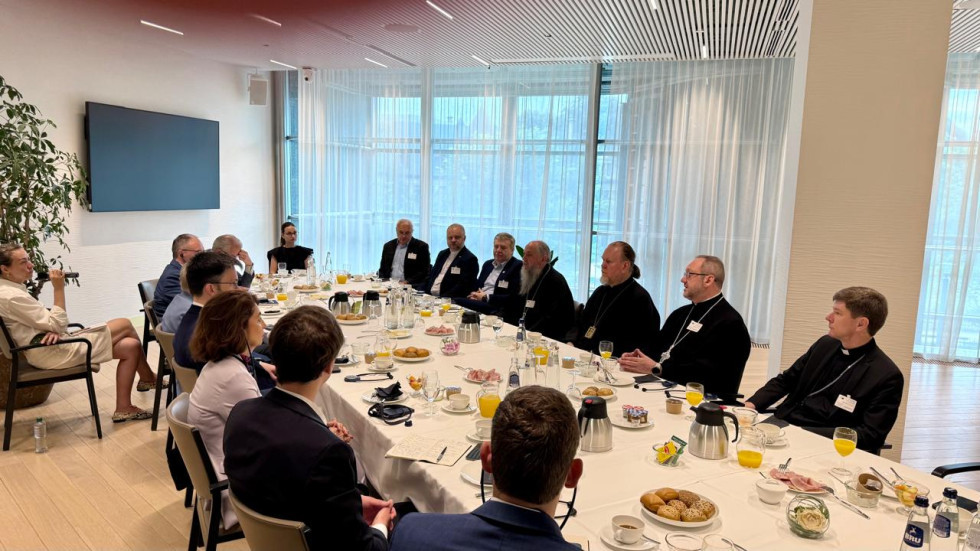
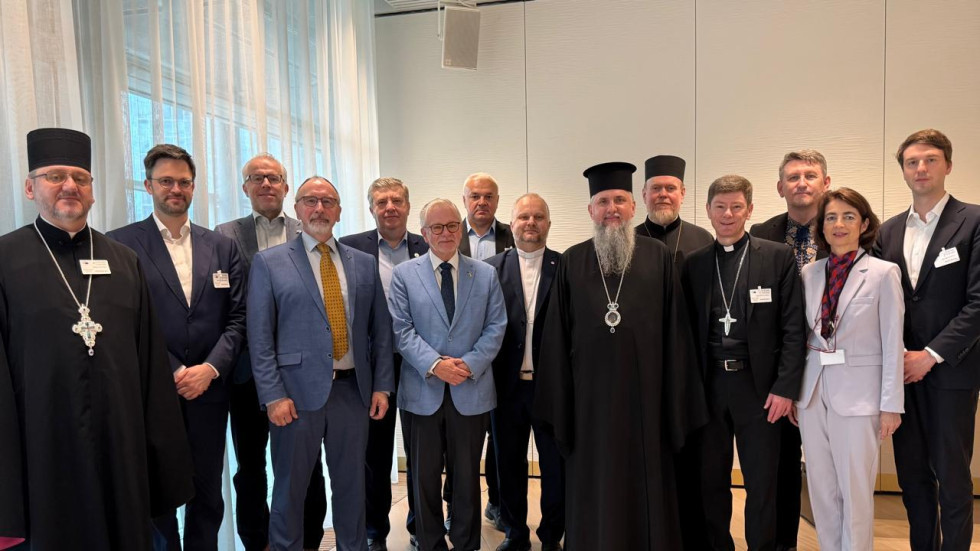
The participants noted that the Russian Federation’s aerial terror campaign against Ukraine’s civilian population is aimed at breaking the will of the Ukrainian people to resist. The aggressor state is instrumentalizing religion as a weapon in its hybrid war against Ukraine and European countries. Representatives of the Russian Orthodox Church and other Russian religious communities actively support Russia’s military aggression against Ukraine and are complicit in war crimes and crimes against humanity.
Members of the UCCRO delegation reminded the MEPs that at the beginning of Russia’s full-scale invasion of Ukraine in 2022, the Russian dictator declared that he did not wish to leave the “final solution of the Ukrainian question” to future generations—language that effectively echoes the Nazi policy of the “Final Solution to the Jewish Question” (the Holocaust).
In this context, and through the promotion of the narratives of the so-called “Russian World” (Russkiy Mir) and “holy war,” the Russian Federation is committing various crimes and pursuing a policy of genocide against the Ukrainian people, aimed at destroying Ukrainian statehood, identity, and culture.
The participants also discussed a number of issues related to Ukraine’s European integration.
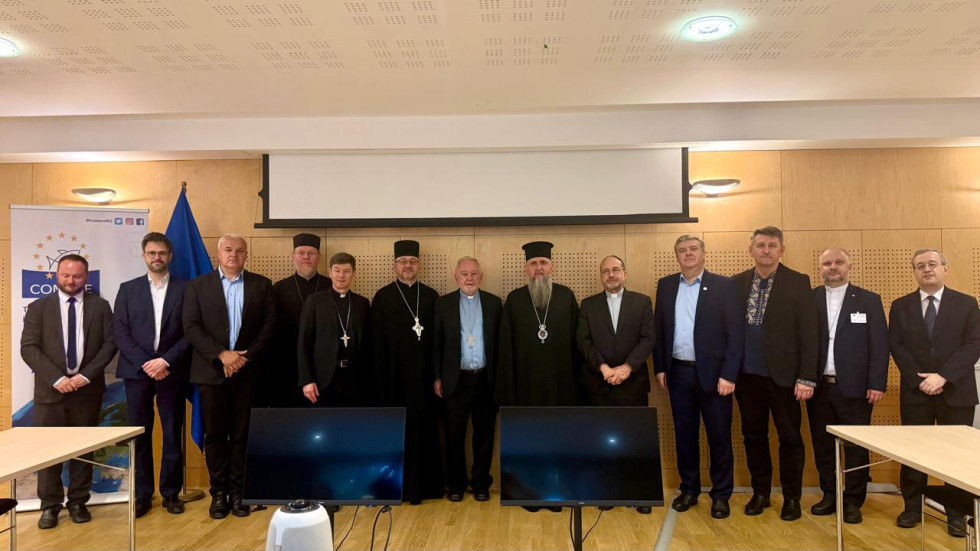
The next meeting of the UCCRO delegation took place with Fr. Manuel Barrios Prieto, Secretary General of COMECE, as well as representatives and experts from the Commission of the Bishops’ Conferences of the European Union. The participants discussed the state of freedom of religion and belief in Ukraine, religious persecution in the territories of Ukraine occupied by the Russian Federation, and prayed for an end to the war and for a just peace in Ukraine.
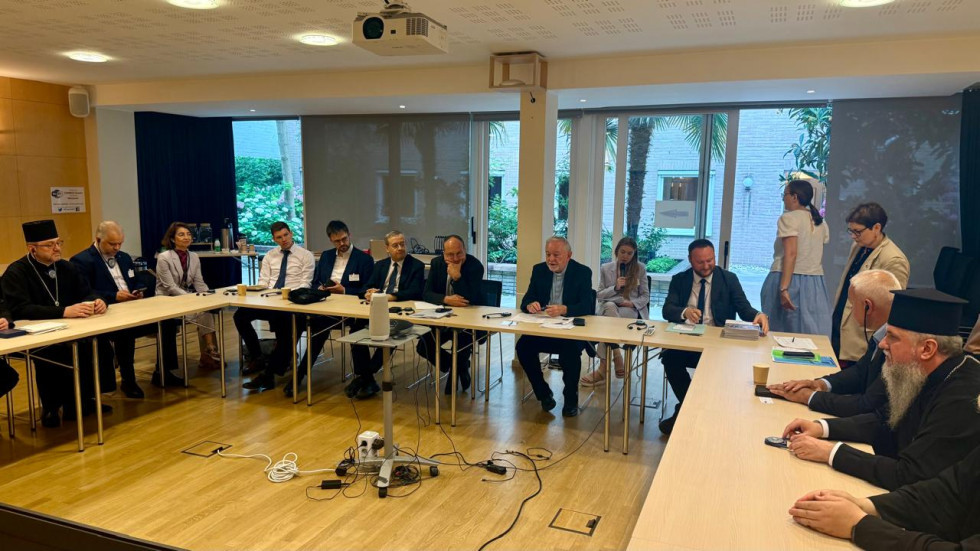
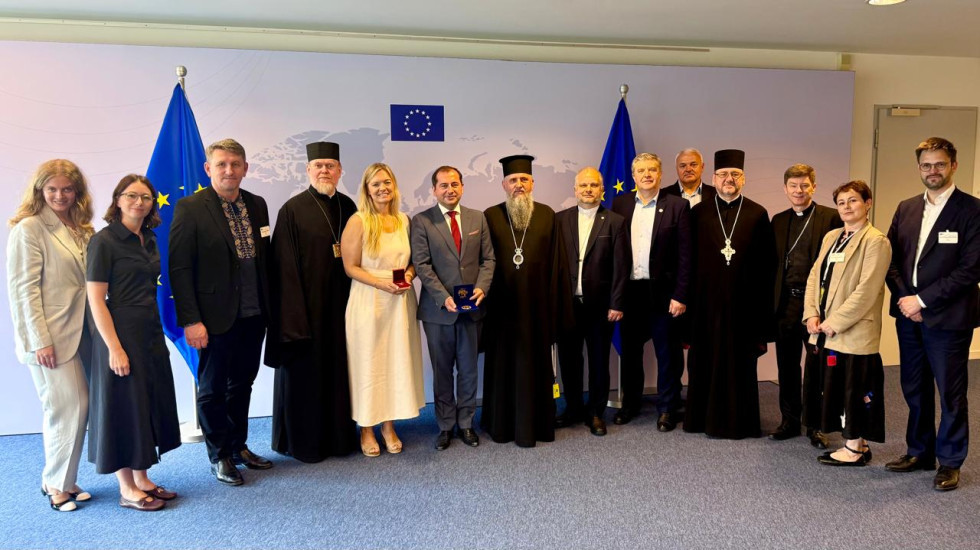
During a meeting with Marta Kos, European Commissioner for Enlargement, the UCCRO delegation discussed the activities of religious denominations during wartime and in the country’s post-war recovery, particularly in the context of Ukraine’s prospects for accession to the European Union.
At the European External Action Service, the UCCRO delegation held meetings with experts from the Cabinet of Kaja Kallas, High Representative of the Union for Foreign Affairs and Security Policy and Vice-President of the European Commission, with representatives of the Service’s Ukraine Division, and with the leadership of the European Commission’s Directorate-General for Enlargement and the Eastern Neighbourhood. The discussions focused on various aspects of the work of churches and religious organizations and their role as institutions of civil society in Ukraine’s EU accession process.
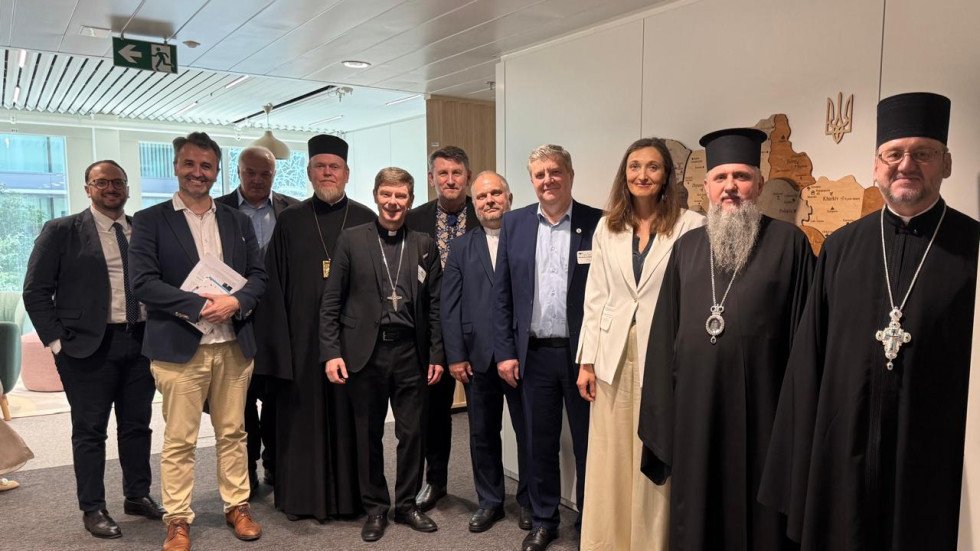
As previously reported, on June 22, 2026, the delegation of the Ukrainian Council of Churches and Religious Organizations, as part of its visit to Brussels, Belgium, met with experts from European non-governmental organizations, representatives of the Commission of the Bishops’ Conferences of the European Union (COMECE), and the Conference of European Churches.
The UCCRO delegation’s visit is taking place with the support of the Ukraine Office of the Konrad Adenauer Foundation.